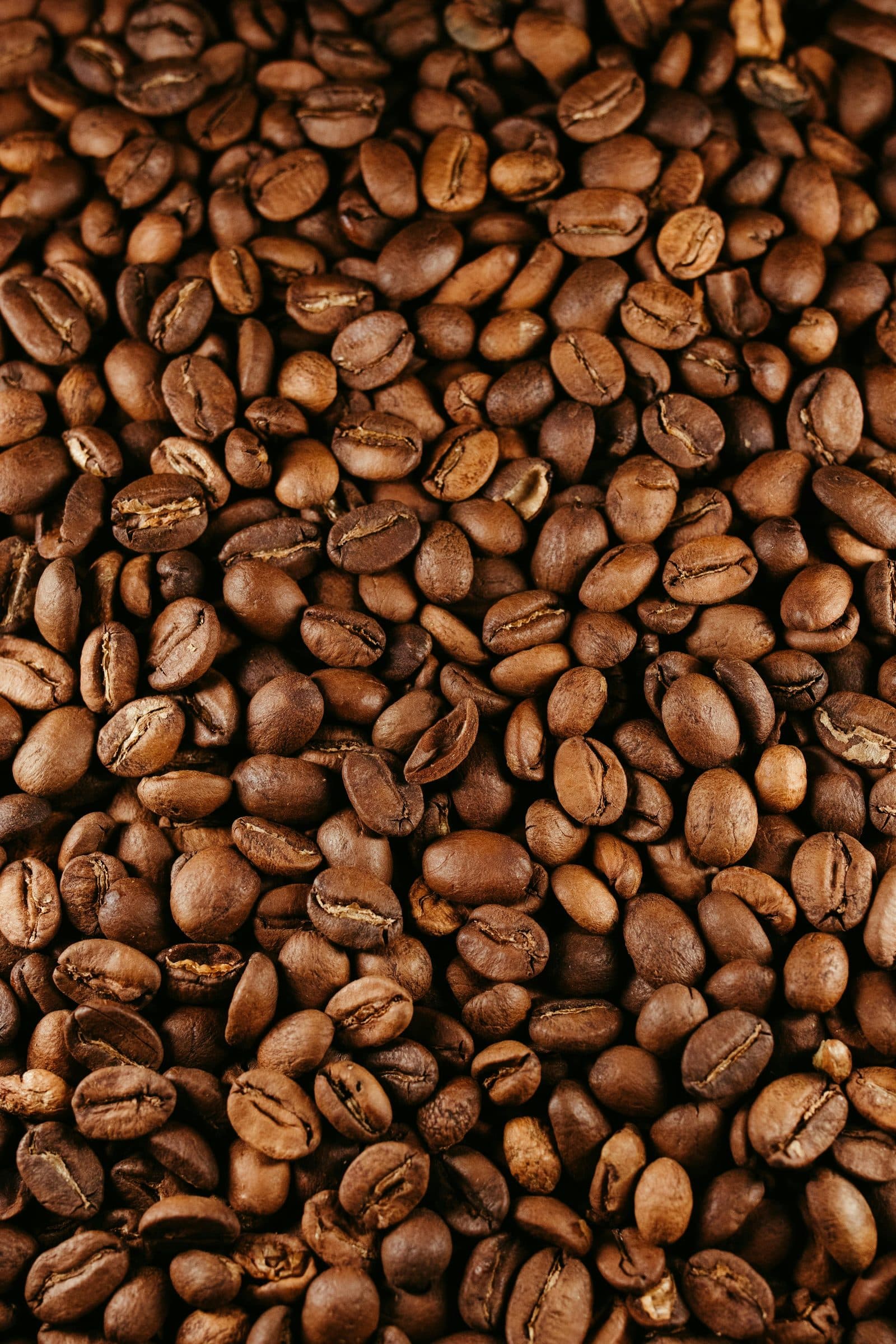
Two coffees can grow on the same hillside, from the same varietal, harvested on the same day — and taste entirely different based on what happens next. Processing is the bridge between agriculture and flavour. It determines whether you taste the seed or the fruit, the terroir or the fermentation, clarity or complexity. Understanding process is understanding why your coffee tastes the way it does.
What Is Washed Processing
In washed processing, the coffee cherry is mechanically depulped within hours of harvest, removing the outer skin and most of the fruit mucilage. The exposed seed, still coated in a thin layer of sticky pectin, is then submerged in clean water and allowed to ferment for 12 to 72 hours. During fermentation, naturally occurring microorganisms break down the remaining mucilage. The beans are then washed clean and spread on raised beds or patios to dry.
The result is a cup that foregrounds the intrinsic qualities of the seed itself — its varietal character, its terroir, its altitude signature. Washed coffees tend to be cleaner, brighter, and more transparent. You taste the origin, not the process. Acidity is more defined, sweetness is more structured, and the finish is typically clean and precise. This is why washed processing dominates in regions like Guatemala, Colombia, and Kenya, where producers want their terroir to speak clearly.
The discipline required for excellent washed processing is often underestimated. Water quality, fermentation temperature, fermentation duration, and drying speed must all be controlled precisely. Over-fermentation produces vinegary, acetic flavours. Under-fermentation leaves residual mucilage that creates off-flavours during drying. The best washed coffees represent a level of craft and control that is invisible in the cup — which is precisely the point.
What Is Natural Processing
Natural processing — also called dry processing — is the oldest method of preparing coffee for export. The entire cherry is laid out to dry with the fruit still intact around the seed. Over the course of two to four weeks, the fruit desiccates in the sun, fermenting slowly as it dries. The sugars, acids, and aromatic compounds in the fruit pulp migrate into the seed, fundamentally altering its flavour profile.
The cup character of a natural-processed coffee is unmistakable: fruit-forward, full-bodied, with a sweetness that can range from ripe berry to fermented wine. Our Atitlán Natural delivers deep blueberry, dark chocolate, and molasses precisely because the beans spent twenty-five to thirty days in contact with the fruit. The natural process is less a technique than a transformation — the seed absorbs the fruit and becomes something the plant never intended.
Natural processing requires exceptionally careful drying management. The cherries must be turned regularly — every thirty to forty-five minutes during peak sun — to prevent mould, uneven fermentation, and defect development. Raised beds with good airflow are essential. A single day of rain during drying can ruin an entire lot. The risk is higher than washed processing, which is why naturals are less common in quality-focused regions. When they succeed, however, the cup complexity is unmatched.
The difference between a washed and a natural coffee is the difference between a photograph and a painting of the same landscape — both true, neither the same.
The Honey Middle Ground
Honey processing sits between washed and natural. The cherry is depulped — the outer skin removed — but varying amounts of the fruit mucilage are intentionally left on the seed during drying. The nomenclature can be confusing: "yellow honey" retains about 25% of the mucilage, "red honey" about 50%, and "black honey" retains nearly all of it. The more mucilage left, the longer the drying time and the more fruit influence in the cup.
Our San Marcos Honey is a red honey process, dried on ceramic tiles over eighteen days. The retained mucilage adds dried mango sweetness and a vanilla-cream texture that a fully washed version of the same coffee would not have. At the same time, the removal of the outer cherry skin prevents the heavy fermented-fruit character that defines a natural. The result is a cup that bridges both worlds — sweeter and fuller than washed, cleaner and more structured than natural.
Honey processing originated in Costa Rica in the early 2000s as an intentional quality technique, though farmers in Brazil had been doing something similar under the name "pulped natural" for decades. The method has since spread across Central America and into specialty producers in Africa and Asia. For the drinker, honey-processed coffees offer a useful entry point into understanding how process shapes flavour: they are recognisably different from both washed and natural without being as polarising as either extreme.
How Process Shapes Flavor
The biochemistry is straightforward. During natural drying, sugars and organic acids from the fruit pulp — primarily fructose, glucose, malic acid, and citric acid — diffuse through the seed’s parchment layer and are absorbed into the cellular structure of the bean. Simultaneously, fermentation produces ethanol, acetic acid, and a cascade of volatile ester compounds that create the fruity, wine-like aromatics characteristic of natural coffees.
Washed processing, by contrast, removes the fruit layer before any significant diffusion occurs. The seed develops its flavour profile almost entirely from its own genetic makeup, its nutrient uptake from the soil, and the thermal history of roasting. This is why washed coffees from volcanic regions taste different from washed coffees grown on granite — the process is transparent enough to reveal the soil beneath the tree.
Honey processing produces a controlled gradient. The amount of mucilage retained and the duration of drying determine how much fruit character enters the seed. A lightly processed yellow honey will taste closer to washed; a fully intact black honey will lean toward natural. Producers can fine-tune the cup profile by adjusting mucilage percentage, drying time, and bed management. It is the most controllable of the three processes, which is why ambitious producers favour it for competition lots.
Choosing Your Process
Preference for process is deeply personal. If you value clarity, brightness, and a clean articulation of origin, washed coffees are where you will find the most satisfaction. Our Huehuetenango Bourbon and Antigua Geisha are both washed for this reason — these are coffees with extraordinary terroir, and the washed process is the most honest window into what the land produces.
If you prefer body, sweetness, and a more enveloping sensory experience, natural and honey-processed coffees reward with layers of fruit and caramel that washed coffees simply do not offer. Our Atitlán Natural and San Marcos Honey represent two points on this spectrum — the natural delivering maximum fruit intensity, the honey offering a more balanced, nuanced sweetness.
The best approach, as with most things in specialty coffee, is to taste comparatively. Brew our Antigua Geisha (washed) alongside our Atitlán Natural using the same method, the same ratio, the same water. The difference between them is the difference between a photograph and a painting of the same landscape — both true, neither the same. Process does not make coffee better or worse. It makes it different, and that difference is worth exploring.
Related Origins
Coffees that pair beautifully with this article.