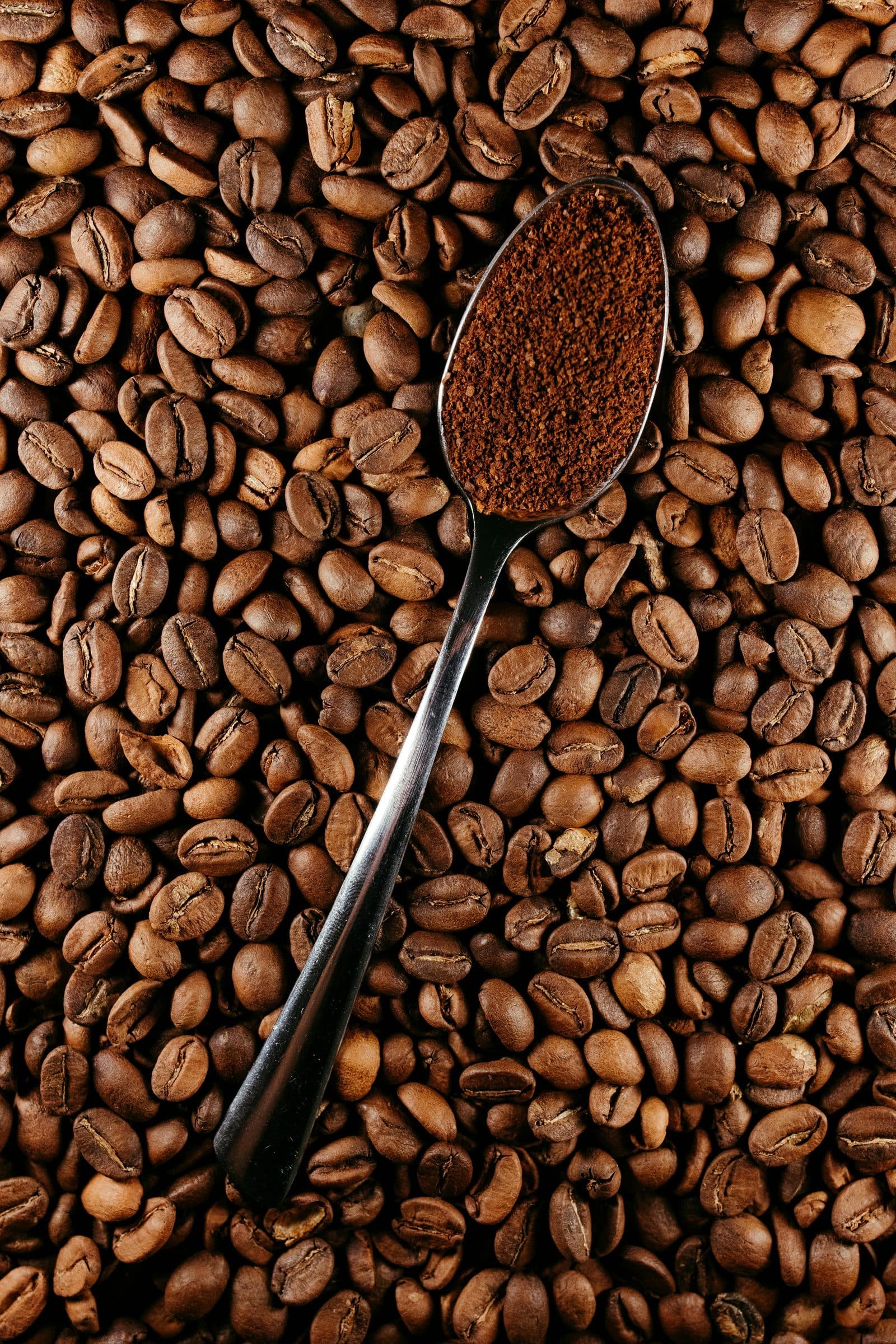
The French press has fallen out of fashion in specialty coffee circles. Pour over, AeroPress, and espresso dominate the conversation, leaving the humble plunger pot to collect dust in the back of kitchen cabinets. This is a mistake. For the right coffees — full-bodied, low-acidity origins with developed sweetness — the French press is not just adequate. It is ideal.
Why French Press Deserves Respect
The French press is an immersion brewer, meaning the coffee sits in full contact with the water for the entire brewing duration. This is fundamentally different from percolation methods like pour over, where water passes through the coffee bed and exits. Immersion brewing extracts more evenly because every particle has equal access to the solvent for an equal amount of time. There is no channelling, no uneven flow, no technique-dependent variation.
The metal mesh filter is the other defining characteristic. Unlike paper filters, which absorb coffee oils and trap fine particles, the French press mesh allows oils and micro-fines to pass into the cup. These oils — cafestol, kahweol, and a host of lipid-soluble aromatics — contribute body, mouthfeel, and a richness that paper-filtered methods simply cannot reproduce. When you hear someone describe French press coffee as "full-bodied," this is what they mean: the oils are in the cup.
The simplicity of the method is its greatest strength. There is no pouring technique to master, no flow-rate to control, no channelling to troubleshoot. You add coffee, add water, wait four minutes, and press. The consistency from cup to cup is remarkable — far more consistent than pour over for most home brewers. The French press rewards patience and good ingredients. It does not reward technique, which is why technique-obsessed specialty culture has abandoned it. That abandonment is the culture’s loss.
The Right Grind: Coarse
French press requires a coarse grind — roughly the texture of coarse sea salt or raw sugar. This is significantly coarser than pour over and dramatically coarser than espresso. The reason is contact time: in a four-minute immersion, fine particles would over-extract catastrophically, producing a bitter, astringent, silty cup that justifies every criticism levelled at the method.
A quality burr grinder is even more important for French press than for pour over. At coarse settings, blade grinders and low-quality burr grinders produce a wide distribution of particle sizes — large boulders alongside fine dust. The fines over-extract while the boulders under-extract, creating a muddled cup with simultaneous bitterness and sourness. A good grinder at a coarse setting produces uniform particles that extract evenly, resulting in a clean, sweet, full-bodied cup.
If you find excessive silt in your cup, your grind is too fine. If the coffee tastes hollow, watery, or sour after four minutes, it is too coarse. The optimal coarse grind produces a brew that is full-bodied and rich without being gritty or silty. When you press the plunger, it should offer moderate resistance — not too easy (too coarse), not too hard (too fine). The plunger itself is your calibration tool.
The French press asks nothing of you except patience. Four minutes of stillness, and you have coffee as it was meant to be — full-bodied, honest, complete.
Ratio and Timing
We recommend a 1:15 coffee-to-water ratio for French press — slightly stronger than our pour over recommendation. This accounts for the fact that French press coffee retains more dissolved solids (oils and micro-fines) that add body but can mute perceived brightness at lower concentrations. For a standard 500ml press, use 33g of coffee to 500g of water.
Water temperature should be 96°C (205°F) — slightly hotter than pour over because the coarse grind and full-immersion extraction need more thermal energy to achieve optimal dissolution. If you do not have a thermometer, bring your water to a boil and let it rest for thirty seconds to a minute. This brings it into the correct range without the precision a variable-temperature kettle provides.
Total steeping time is four minutes. This is not a suggestion — it is the result of decades of extraction research. Under three minutes, you will under-extract and produce a sour, underdeveloped cup. Over five minutes, you begin extracting bitter tannins and chlorogenic acid breakdown products. Four minutes hits the sweet spot for a coarse grind in full immersion. Start your timer when you finish pouring, and press at exactly four minutes.
The Technique
Add your coarsely ground coffee to the press and start your timer as you pour all of the water in a single, steady stream. There is no bloom phase in French press — the entire dose of water goes in at once. Stir gently with a wooden spoon or chopstick after pouring to ensure all grounds are saturated and submerged. Some grounds will float; the stir ensures they are in contact with the water from the beginning.
Place the lid on the press with the plunger pulled up. This traps heat and maintains brewing temperature. Do not push the plunger down during brewing — let the coffee steep undisturbed. At the four-minute mark, press the plunger down slowly and steadily. A smooth, even press takes about fifteen to twenty seconds. Do not force it. If the plunger is very difficult to push, your grind is too fine.
This is critical: pour all of the coffee out of the press immediately after plunging. If you leave brewed coffee sitting on the grounds, it continues to extract and will become bitter within minutes. Pour into cups, a thermal carafe, or any vessel that separates the liquid from the spent grounds. The French press is a brewer, not a serving vessel. Treat it accordingly and your cup will be clean, sweet, and balanced every time.
Best AVORA Origins for French Press
French press amplifies body and sweetness while softening bright acidity. This makes it ideal for our fuller-bodied, more developed origins. The Cobán Caturra is exceptional in a French press — its brown sugar sweetness, apple acidity, and hazelnut finish become rounder and more integrated in immersion. The medium roast level is perfectly calibrated for the slightly higher extraction that French press provides.
Our San Marcos Honey is another outstanding match. The honey process already contributes body and sweetness, and the French press mesh filter allows the coffee’s natural oils to enter the cup, amplifying the dried mango and vanilla notes into something almost dessert-like. The toffee finish, in particular, becomes more pronounced and lingering in a French press than in any filtered method.
We recommend approaching our lighter, more delicate origins — the Antigua Geisha and Huehuetenango Bourbon — with caution in a French press. These coffees are designed to showcase bright acidity and floral aromatics, qualities that French press tends to mute in favour of body. They can work beautifully at a slightly lower ratio (1:16) and shorter steep (3:30), but pour over remains their ideal method. Match the method to the coffee, not the other way around.
Related Origins
Coffees that pair beautifully with this article.